
Foreclosure research in New York
A New York foreclosure is a court case. Court cases leave a paper trail.
The Homeowner Research Document maps that trail for you, filing by filing.
Questions? Call 516-499-1731.
This page is written for New York
Where New York foreclosures are filed
New York is a judicial foreclosure state. A lender cannot foreclose without a lawsuit and a judgment from a judge.
The case is filed in the Supreme Court of the county where the property is. In New York that is the trial court, not the highest court.
We see Nassau, Suffolk, Queens, Kings, Bronx, New York, Richmond and Westchester most. We work with homeowners anywhere in the state.
The New York foreclosure timeline
The stages of a New York residential foreclosure, in order.
The 90-day notice (RPAPL 1304)
For most home loans, the lender must send written notice at least 90 days before a case can start. Keep it, and the envelope.
The summons and complaint
The summons says how long you have to respond. It depends on how you were served, and it is short and firm.
The settlement conference (CPLR 3408)
Owner-occupied home loan cases generally get an early settlement conference. Attend it. Bring your financial documents.
The referee’s report
The court appoints a referee, a person given a specific task, to calculate what is owed. Check that against your own records.
Judgment, notice of sale, and auction
With no response filed in time, the lender asks the court to move ahead. The court authorizes a sale and confirms the amount owed. The sale is advertised with its date, time and place.
Surplus monies
If the property sells for more than is owed, the extra generally goes to the county. Claiming it has a process and deadlines. Be wary of strangers offering to recover it for a large share: you may claim it yourself, and free help may be available.
How long this usually takes
Contested New York cases commonly run well over a year, often several. A long case still turns on its deadlines. Go by the dates on your own papers.
What New York law gives homeowners
Homeowners have rights in a foreclosure. Most of them are written down in public law, and hardly anyone is ever shown where. So that is what we do. We use public research data to illustrate the rights homeowners have, from the statutes, court rules, published court decisions, county land records and court dockets.
In general terms, those sources say:
- Where a foreclosure goes through a court, a homeowner has a set number of days to respond after being served, and the clock starts on a date that is written down.
- In a court foreclosure, a judge decides the outcome, and the case moves on a schedule the court sets.
- State law generally sets a point in the process up to which a homeowner may bring the loan current.
- A homeowner may contact their lender or servicer directly, at any time, and needs no one's permission to do it.
- New York generally requires a 90-day notice to the homeowner before a foreclosure case on a home loan can be started (RPAPL 1304), and generally requires a settlement conference in owner-occupied home loan cases (CPLR 3408).
What your document includes
Homeowner Research Document
Research and data built around your property. Every filing on it, how those filings connect, the numbers behind them, and alerts when anything new is recorded.
If you are facing foreclosure, it includes a full report on your foreclosure file: every paper in your case, dated and sourced; how the papers connect, from the original loan through every transfer and assignment; a timeline of every filing and deadline; the numbers, including how cases like yours have moved through your county’s Supreme Court; and the papers your record refers to that are not in your file. It is organized so your attorney can work from it at your first meeting.
The price is quoted for your document, based on the research it needs.
Our office in Valley Stream
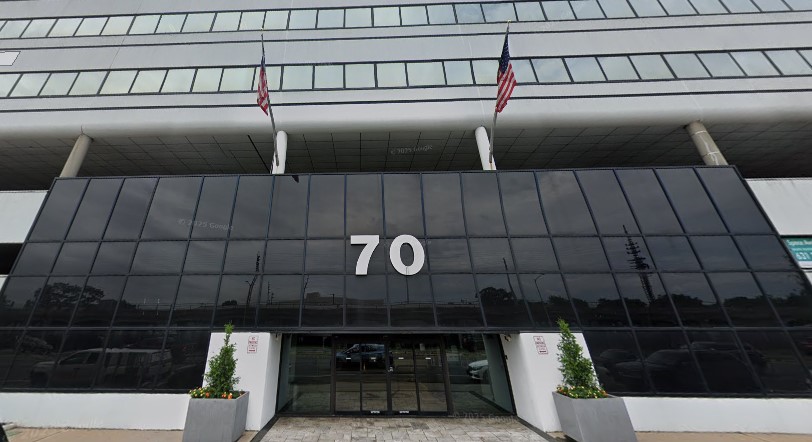
New York is our home state, and Valley Stream is our only office. It is in Nassau County, a few minutes from the Queens line. If you would rather come in, call first and we will set a time.
Prime Real Estate Consultants70 Sunrise Highway, Suite 500
Valley Stream, NY 11581
Phone: 516-499-1731
Email: customerservice@
Talk to a person.
Call 516-499-1731, Monday through Friday, 9:00 AM to 6:00 PM. Saturday appointments are available on request. If we are with another client, leave a message with your name, your phone number, and the county your property is in, and we will call you back.
Prime Real Estate Consultants
70 Sunrise Highway, Suite 500, Valley Stream, NY 11581
customerservice@
| Monday to Friday | 9:00 AM to 6:00 PM |
|---|---|
| Saturday | By appointment only |
| Sunday | Closed |
Free help is also available.
You do not have to pay anyone for help with a foreclosure. HUD-approved housing counseling agencies give free counseling nationwide. Call 1-800-569-4287 or visit hud.gov. Many states and counties also run free foreclosure prevention programs. We want you to know about them, whether or not you ever hire us.
If you have a sale date or a court date coming up, call a licensed attorney today.
We are not a law firm.
Prime Real Estate Consultants is a property research and consulting business. We do not practice law or represent anyone, and nothing on this site is legal, tax or financial advice. Contacting us or buying a service does not create an attorney-client relationship.